
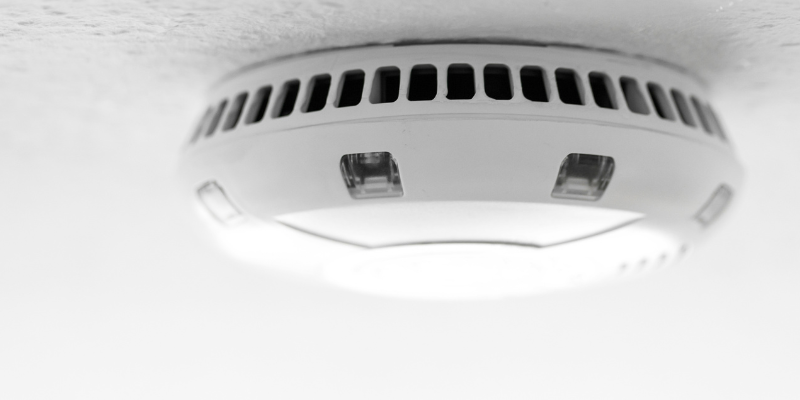
Alarms in place
We all need Alarms for protection in our homes. Check out our information on which ones are best for which situations.
When it comes to home safety, having the right Alarms in place is one of the most effective steps you can take. Smoke, heat, and carbon monoxide (CO) detectors each play a crucial role in protecting your household, and understanding how they work and where to place them, can make all the difference.
Let’s start with the types.
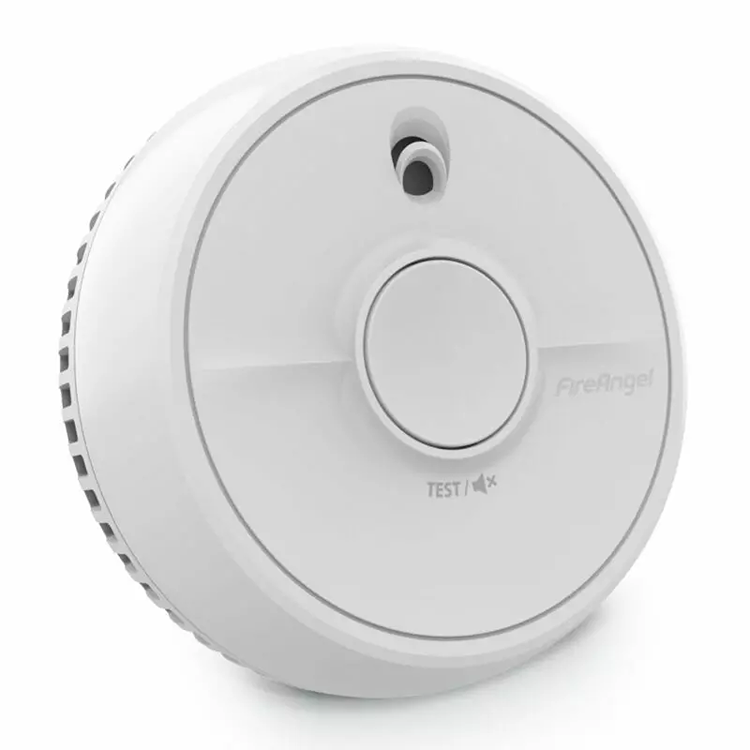
Optical smoke alarms are designed to detect larger particles from slow-burning fires, making them ideal for living rooms, hallways, and bedrooms. However, they’re best kept away from kitchens and bathrooms, where steam and cooking fumes might trigger them.
Multi-sensor alarms, which combine both smoke and heat detection, offer broader coverage and faster response times. These are suitable for most areas in the home, with the exception of kitchens. They’re recommended by UK fire services as one of the most reliable options for comprehensive fire detection.
A kitchen is where heat alarms shine. Instead of detecting smoke, they respond to a rapid increase in temperature, making them perfect for cooking areas, lofts, and garages – places where smoke is often present even when there’s no danger. Since they’re not triggered by steam or minor cooking mishaps, they provide a more accurate layer of protection in these areas.
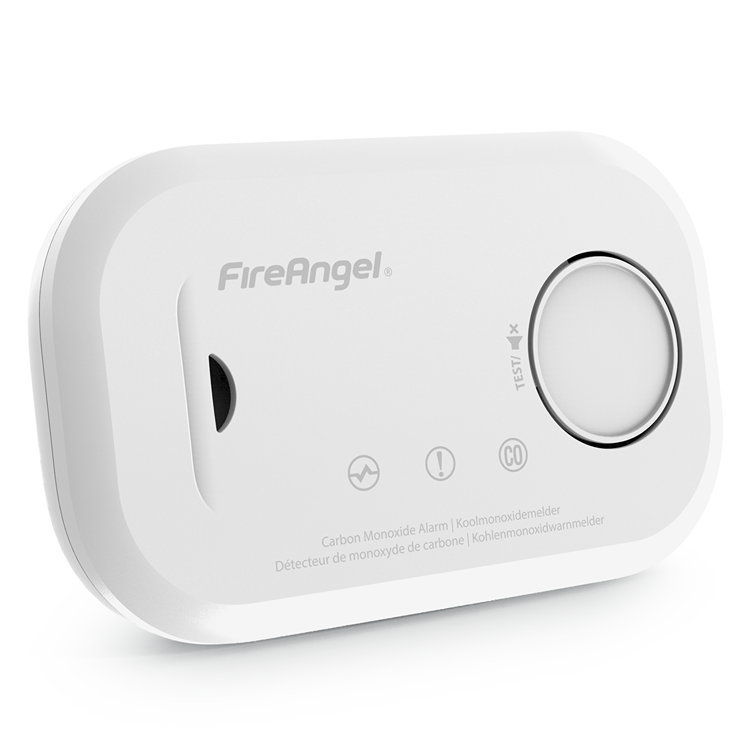
Then there’s the carbon monoxide alarm; arguably the most underrated but essential of them all. Carbon monoxide is a silent killer: odourless, tasteless and invisible. CO alarms should be installed in any room with a fuel-burning appliance like a boiler or fireplace. For optimal results, mount them at head height and about one to three meters from the source.
Proper placement of these is just as important as choosing the right type. Alarms are best installed on the ceiling, where smoke and heat naturally rise. They need to be at least 30cm away from walls and light fixtures, and avoid corners where airflow may be limited. To maximize protection, it’s a smart move to interlink your alarms, meaning when one is triggered, they all go off, ensuring everyone in the home is alerted instantly.
Regular maintenance is key to keeping your alarms functioning properly. Make it a habit to test each alarm monthly using the test button. Every few months, give the devices a gentle vacuum to remove any dust that may interfere with their sensors. And don’t forget to check their age as most alarms need replacing after about 10 years.
By choosing the right alarms, placing them strategically and maintaining them regularly, you’re not just meeting basic safety standards, you’re actively protecting your home and loved ones.
|
|
 |
|
|
 |
|
Heat Alarms Heat alarms are perfect for kitchens, garages and high risk areas where smoke alarms aren’t suitable. |
 |
We are always happy to check stock and prices, just use our contact page and drop us a line or give us a ring.
Bonnett’s shop and workshop are regularly open Monday to Friday from 8.30 in the morning until 4.30pm.
The top shop is open on Saturday mornings from 9am until midday.
We are closed on bank holidays and for the week between Christmas and New Year.

Related Posts



This Post Has 0 Comments